
For years, the word “fat” was unfairly blamed for weight gain, heart disease, and just about every health problem you can name. People swapped butter for margarine, ditched nuts, and stocked up on “fat-free” everything—only to see obesity and metabolic disease rates climb.
The truth? Fat isn’t the enemy. The type of fat you eat matters far more than the total amount. In fact, healthy fats are essential for energy, hormone production, brain function, and even fat loss.
The Role of Healthy Fats
Fats are one of the three main macronutrients, alongside protein and carbohydrates. They help your body absorb fat-soluble vitamins (A, D, E, and K), keep your cell membranes strong, and support hormone health—including testosterone and estrogen, which are key for muscle growth and recovery.
Plus, fats are a dense, slow-burning energy source. They keep you satisfied longer, helping control hunger and reduce mindless snacking.
Types of Healthy Fats
1. Monounsaturated Fats (MUFAs)
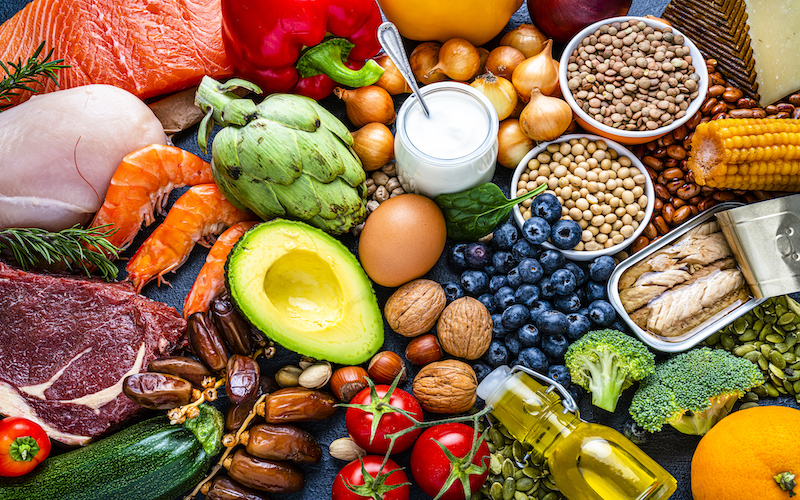
- Sources: Olive oil, avocados, almonds, peanuts, cashews
- Benefits: Linked to improved heart health, reduced inflammation, and better blood sugar control.
2. Polyunsaturated Fats (PUFAs)
- Sources: Fatty fish (salmon, mackerel, sardines), walnuts, flaxseeds, chia seeds, sunflower seeds
- Benefits: Include omega-3 and omega-6 fatty acids, which are essential for brain function, joint health, and reducing inflammation.
3. Omega-3 Fatty Acids
- Sources: Salmon, tuna, trout, flaxseed, chia seeds, walnuts
- Benefits: Support heart health, brain function, recovery, and may even help reduce muscle soreness after workouts.
Fats to Limit
Not all fats are created equal. Limit trans fats (found in many processed and fried foods) as much as possible—they raise “bad” LDL cholesterol and lower “good” HDL cholesterol. Saturated fats (from sources like fatty cuts of red meat, butter, and cheese) aren’t inherently “bad,” but should be eaten in moderation, especially if you have heart disease risk factors.
How Much Fat Do You Need?
A balanced diet typically includes about 20–35% of your total daily calories from fat. That means focusing on whole, nutrient-dense sources and avoiding heavily processed options.
The Bottom Line
Healthy fats aren’t just good for you—they’re essential. They fuel your workouts, keep your brain sharp, help control hunger, and support recovery.
Don’t fear fat. Instead, choose the right kinds in the right amounts, and you’ll not only perform better in the gym—you’ll feel better in everyday life.